


Table of contents
- Ideal wooden pergolas for a small garden: what to look out for?
- Which wooden pergolas are most suitable?
- What to consider when choosing wooden pergolas for a small space?
- Optimal wooden pergolas - which material to choose?
- Why rely on wooden pergolas?
- Elements to think about when planning a wooden pergola
- Summary
- Most popular questions and answers
Ideal wooden pergolas for a small garden: what to look out for?
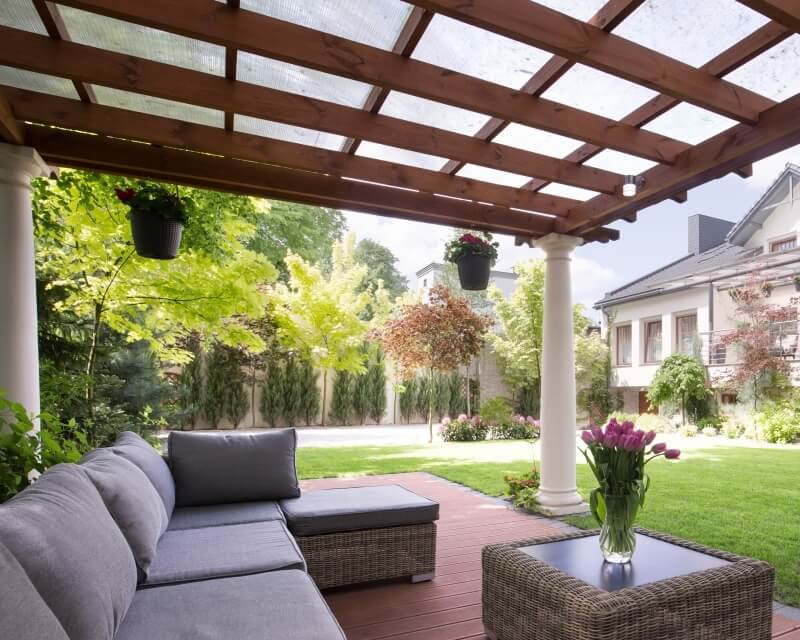
Selection wooden pergola Designing a small garden can be quite a challenge, especially when space is limited. It is important to focus on a few key aspects that will not only highlight the charm of your garden but also avoid overwhelming the space.
First and foremost wooden pergolas is not only a decoration, but also a functional element that can become the focal point of our small garden. It is worth investing in a sturdy structure that will last for years while meeting our individual aesthetic and functional needs.
Which wooden pergolas are most suitable?
When choosing wooden pergolas for small gardens, it is worth considering a few features that may be crucial to their functionality and appearance. First and foremost, size. In a small garden, every metre is at a premium, so the pergola must not be too bulky.
Structures made up of slender beams and delicate details can blend perfectly with their surroundings without visually closing them off. The material is equally important. High-quality timber, such as larch or oak, is not only aesthetically pleasing but also durable and weather-resistant. What is more, impregnation and appropriate surface protection further extend its lifespan.
What to consider when choosing wooden pergolas for a small space?
When looking for the right design, you should consider what functions the pergola is intended to fulfil. Perhaps you want to shield yourself from the neighbours’ gaze, or simply create a secluded spot to relax in the shade. Once we know what our needs are, it will be easier for us to make a decision.
Wooden pergolas are extremely versatile, meaning they can be easily adapted to suit your needs. For example: if you want your pergola to provide support for climbing plants, look for more openwork designs. The versatility of wood allows you to personalise your design in terms of colour and finish, meaning that every pergola can be unique.
- Plan the size of the pergola so that it suits the function it is to perform. The size should be appropriate to our garden, but also to the tasks we want to assign to it.
- Choose high quality materials - The durability and resilience of woods such as oak and larch will be crucial to the longevity of the structure.
- Consider shape and style - From minimalist to sophisticated styling, pergolas can be adapted to suit any taste.
Optimal wooden pergolas - which material to choose?
The materials used to make wooden pergolas play a key role in their durability and aesthetic appeal. Wooden pergolas made from larch and oak are very popular due to their durability and beauty. Larch, although slightly more expensive, is characterised by exceptional resistance to moisture, and its light colour blends perfectly with a variety of garden styles.
Oak, on the other hand, known for its exceptional hardness and durability, is ideal for areas where a solid yet elegant structure is desired. It is also worth noting the optional protective treatments, such as wood preservatives, which will further enhance the wood’s resistance to the vagaries of the weather.
Why rely on wooden pergolas?
Wooden pergolas offer not only functionality but also an undeniable charm that adds character to any garden. As a natural material, wood blends perfectly with the garden’s greenery, creating a harmonious whole. The variety of styles available and the scope for customisation allow you to tailor the pergola perfectly to the individual aesthetic needs of any outdoor space.
The ease of installation and the ability to adapt designs to specific spatial requirements are also significant factors. Furthermore, timber structures are environmentally friendly, which is of great importance to an ever-increasing number of environmentally conscious consumers.
Elements to think about when planning a wooden pergola
Planning a wooden pergola is a unique challenge that requires many factors to be taken into account to ensure the final result meets your expectations. First and foremost, you need to consider what functions the pergola is intended to fulfil – whether it will serve merely as a decorative feature or as a place to relax.
When deciding on a particular style, it is worth considering accessories such as curtains, lighting, a protective mat or climbing plants. When planning a pergola, you must also take into account local weather conditions, such as wind and rainfall, which can affect the structure’s durability.
For those who want convenient shade, the natural choice would be pergolas with movable elements.
- Rethink destiny: Consider what function you want the pergola to serve - create a relaxation space, protection from the sun or privacy.
- Adapt the style to your own preferences: from more classic solutions to modern, minimalist styling.
- Include accessories and add-ons: Curtains, lighting, matting or climbing plants can significantly change the appearance and functionality of a pergola.
Summary
Finding the perfect wooden pergola for a small garden takes some thought, but the end result will certainly be worth it. Wooden pergolas combine aesthetics with functionality, providing both shade and a decorative feature for your outdoor space.
When opting for this solution, it is worth paying attention to the quality of the materials, the style and the customisation options, so as to create a one-of-a-kind space that will become everyone’s favourite place to relax. If you’re dreaming of having your own pergola, it’s worth investing in quality to ensure the structure remains durable and beautiful for many years to come.
Company Dąb Gaj Wood offers numerous options to meet the expectations of even the most demanding customers, and appropriate advice and implementation throughout Poland and Germany guarantee satisfaction with every investment.
Read also: Why invest in wooden decking?
Most popular questions and answers
How long does it take to install a pergola?
The installation of a pergola usually takes between one and three days, depending on the complexity of the project and the tools available. A professional installation team can reduce this time even further. Before installation, it is a good idea to prepare the installation site carefully so that the process goes smoothly.
Do wooden pergolas require maintenance?
Yes, wooden pergolas require regular maintenance to maintain their durability and aesthetics. It is advisable to renew the protective coating every few years and to check the condition of the structure after every winter. Regular maintenance helps to prolong the life of the pergola and maintain its aesthetic qualities.
How do wooden pergolas cope with the weather?
Wooden pergolas, especially those made of high-quality wood, are resistant to various weather conditions. Regular impregnation and proper care additionally protect against moisture and UV rays. A well-installed pergola will last for many years, even in changing weather conditions.
Is it worth installing lighting in a pergola?
Lighting a pergola can significantly increase its functionality and aesthetics, especially during the evening hours. Installing LED lighting will illuminate the space and add cosiness and security. It is worth considering different options, such as solar-led lamps, which additionally do not disrupt the aesthetics of the entire structure.
How to personalise a wooden pergola?
Personalisation of a wooden pergola can include a choice of colour, style and accessories such as curtains or climbing plants. By investing in movable laths, you can adjust the amount of light coming into the pergola. It is also worth considering harmonising the style of the pergola with other elements of the garden architecture to achieve a cohesive whole.