


Table of contents
- Why choose wood panels for a terrace?
- How do I care for my wooden terrace panels properly?
- What are the benefits of choosing timber decking?
- How can timber decking have an environmental impact?
- How can timber decking transform your living space?
- What extras are worth investing in when installing timber decking?
- Most popular questions and answers
Why choose wood panels for a terrace?
Wooden panels for the terrace This is a solution that is becoming increasingly popular amongst homeowners. Not only are they elegant and stylish, but they are also practical and durable. By choosing this option, you can enjoy the warmth and natural charm of wood, which blends in perfectly with the garden setting.
What’s more, wooden panels are versatile enough to be adapted to almost any design, regardless of its nature or style. It is not without reason that wood is a material with a long tradition – it conveys a sense of luxury and closeness to nature, whilst maintaining a modern look.
Firstly, wood panels for a terrace They strike the perfect balance between aesthetics and functionality. Their natural charm is difficult for synthetic materials to replicate. But it is not just the appearance that makes wood so appealing. As a material, wood has exceptional insulating properties which effectively protect against the cold on winter days and help maintain a comfortable temperature in summer.
Thanks to their high resistance to changing weather conditions, wooden panels can retain their impeccable appearance for years. What’s more, the wooden surface is pleasant to the touch and comfortable even when walking barefoot, which is an undeniable advantage for those who love being in touch with nature.
How do I care for my wooden terrace panels properly?
Looking after wooden decking is not complicated, but it does require regular maintenance and the use of suitable products. To ensure they retain their pristine appearance for many years to come, it is worth bearing in mind a few important points:
- Impregnation: Wood needs to be treated regularly with impregnating agents to protect it from the damaging effects of moisture and UV rays.
- Cleaning: Regular washing with soapy water will remove any dirt that may affect its condition.
- Protection against mechanical damage: Avoid placing heavy furniture without pads and sliding it over the surface of the boards, which can cause scratches.
It is worth remembering that well-maintained wooden decking can last for many years, whilst retaining its natural charm and elegance.
What are the benefits of choosing timber decking?
Choosing wooden decking for your terrace offers many benefits that can enhance your comfort and satisfaction when using it. These include:
- Aesthetics: Wood goes well with any type of arrangement, adding a unique character and warmth.
- Insulating effect: The natural properties of wood make the terrace pleasant both during hot summer days and cooler mornings.
- Persistence: With proper care, wood panels can last for decades without losing their aesthetics or functionality.
As a result, choosing wooden decking for your terrace is not only practical but also cost-effective, as investing in quality means long-term satisfaction and lower costs associated with any repairs.
How can timber decking have an environmental impact?
An interesting aspect is the environmental dimension of choosing wooden decking for a terrace. In an age of growing concern for the environment, wood – as a natural and renewable resource – is becoming an ethical choice. It is worth noting that:
- Sustainable raw material: If it comes from certified sources such as FSC, we are supporting responsible forest management.
- Biodegradability: Wood, unlike its plastic counterparts, is naturally biodegradable, reducing its environmental impact at the end of its life cycle.
- Energy-efficient production: The manufacturing process of wooden panels is less harmful to the environment compared to the production of synthetic materials.
That is why, by investing in wooden decking, we are promoting both aesthetics and sustainability.
How can timber decking transform your living space?
There’s no denying that wooden decking panels are becoming a central feature of modern garden architecture. Dreams of an oasis of tranquillity, where you can sit with a book or a cup of coffee, are becoming a reality thanks to the unique properties of wood.
The aesthetic appeal of a wooden floor is hard to match with anything else. Its natural colours, texture and unique grain define the style of any garden.
These panels also allow for a creative approach to the arrangement of the space. By being able to arrange them according to your own preferences, whether in a classic or more modern form, you can achieve a space that emphasises the character of the household. What's more, combining the panels with plants, water or other natural elements creates a harmonious composition that encourages people to spend more time outdoors.
What extras are worth investing in when installing timber decking?
Once you’ve decided to install wooden panels, it’s worth considering some accessories that will highlight their uniqueness and functionality:
- Wooden blinds: They provide additional privacy and protection from the sun or wind.
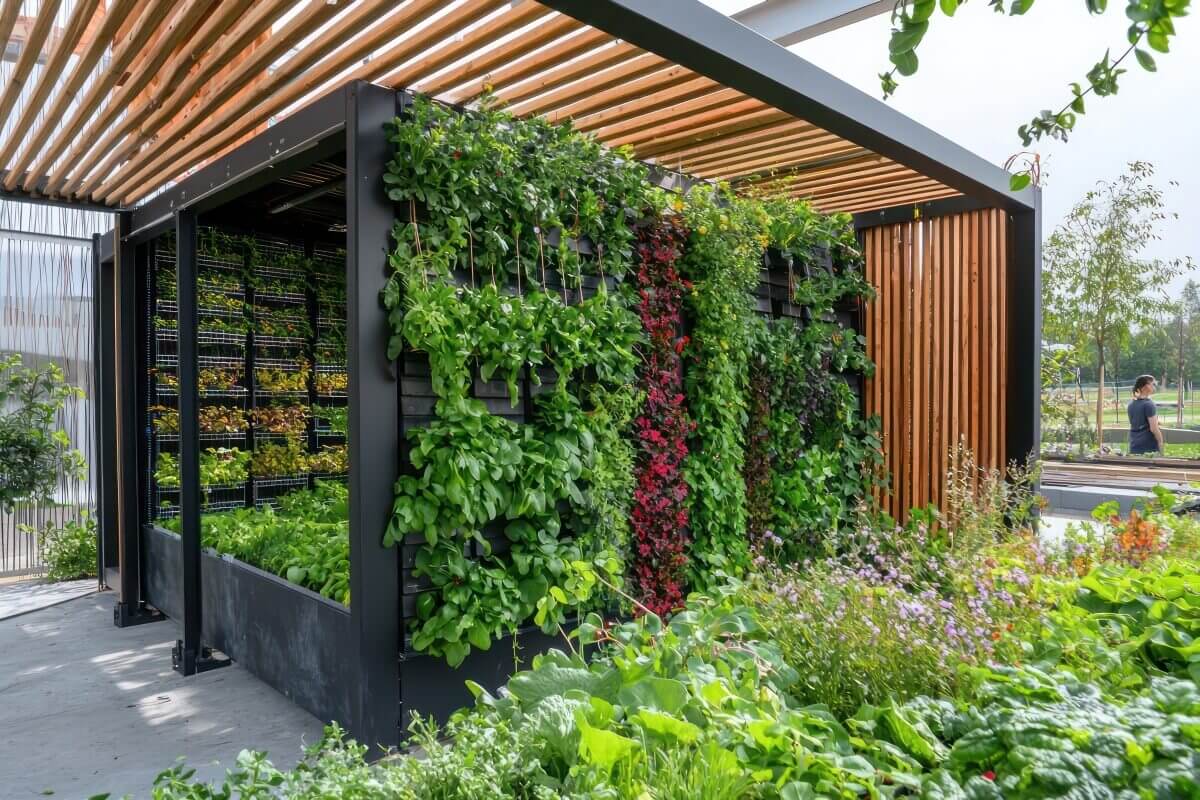
- Pergolas: Ideal for shade and decoration, they also offer the option of hanging pots of climbing plants.
- Wooden furniture: They blend well with the wooden floor to create a cohesive style.
- LED lighting: It will enhance the beauty of the wood after dark, adding charm and increasing safety.
- Movable board systems: Combining functionality with modernity.
When installing wooden decking on a terrace, it is worth considering which additional features will highlight their best qualities whilst also making the space even more comfortable.
Summary
Wooden decking is a choice that combines exceptional aesthetics with practicality and durability. Not only does it highlight the natural beauty of our garden, but it also creates a welcoming, cosy space for living and relaxing. By investing in timber, you are choosing a material that combines tradition and modernity, quality and sustainability.
If you’re interested in installing panels in your garden, the key to success is choosing the right solutions and carrying out regular maintenance to ensure they last a long time. Find out what options the company offers Dąb Gaj Woodby contacting us directly.
Most popular questions and answers
Are wood panels weatherproof?
Yes, wood panels are designed to withstand a variety of weather conditions. Regular impregnation and proper care increase their resistance to moisture and UV radiation. It is important to regularly check and maintain the panels to ensure their longevity.
What are the costs of installing timber decking?
The cost of installing timber panels depends on several factors, such as the size of the terrace and the choice of materials and accessories. Prices can vary depending on the region and the specifics of the job. It is worth considering an investment in quality, which can reduce the costs associated with later repairs.
Can I install the wood panels myself?
Installing wood panels yourself is possible, but requires the right tools and skills. It is a good idea to read the manufacturer's instructions before proceeding. Those without experience may want to consider using professionals to ensure correct installation.
What are the alternatives to wooden panels?
Alternatives to wooden panels can be composite decking materials, which combine durability with low maintenance requirements. Such solutions are resistant to moisture and do not require painting, but do not offer the same natural charm as wood. Before choosing, it is worth considering your priorities and expectations in terms of durability and aesthetics.
What accessories can be used with wood panels?
Wooden panels can be combined with a variety of accessories such as blinds, pergolas or LED lighting. Such elements not only increase the functionality of the terrace, but also improve the aesthetics of the space. Choosing the right accessories allows you to customise the space to suit your individual needs.